Explore Foundational Nutrition
Understand the essential nutrients and dietary principles that support overall well-being and vitality.
The Spectrum of Macronutrients
Building Blocks of Nutrition
Macronutrients are the primary nutrients your body requires in large quantities to function properly. They serve as the foundation of energy production, cellular repair, and countless metabolic processes.
Proteins
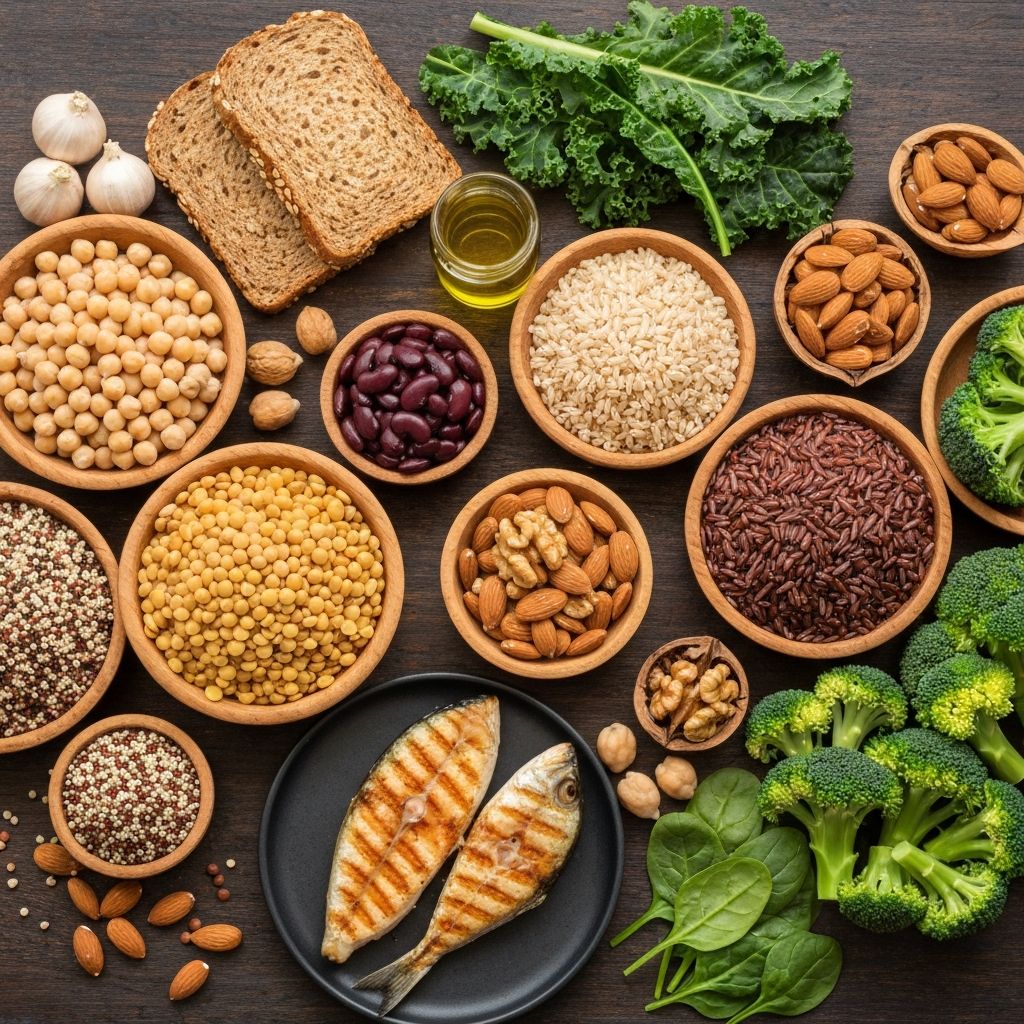
Proteins are organic compounds composed of amino acids. They play critical roles in building and repairing tissues, producing enzymes and hormones, and maintaining immune function. Protein sources range from animal-based options like meats and dairy to plant-based sources including legumes, nuts, and grains.
Fats
Dietary fats provide concentrated energy and support the absorption of fat-soluble vitamins. They are essential for hormone production, cell membrane integrity, and cognitive function. Healthy fat sources include nuts, seeds, olive oil, avocados, and fatty fish.
Carbohydrates
Carbohydrates are the primary energy source for the body and brain. They are composed of sugars and fiber. Complex carbohydrates from whole grains, vegetables, and legumes provide sustained energy and support digestive health, whereas simple carbohydrates offer quick energy.
Essential Vitamins: Beyond the Basics
Vitamin A
Supports vision health, immune function, and skin integrity. Found in orange vegetables, leafy greens, and fortified dairy products.
Vitamin C
Essential for collagen synthesis, immune support, and antioxidant protection. Abundant in citrus fruits, berries, and bell peppers.
Vitamin D
Regulates calcium absorption, supports bone health, and modulates immune responses. Sources include fatty fish, egg yolks, and sunlight exposure.
Vitamin E
Acts as a potent antioxidant, protecting cells from oxidative stress. Found in nuts, seeds, vegetable oils, and leafy greens.
Key Minerals for Daily Function
| Mineral | Key Roles |
|---|---|
| Iron | Transports oxygen in blood, supports energy production and cognitive function. |
| Zinc | Crucial for immune function, protein synthesis, and wound healing. |
| Magnesium | Supports muscle and nerve function, energy metabolism, and bone health. |
| Calcium | Essential for bone structure, muscle contraction, and nerve signaling. |
| Potassium | Regulates fluid balance, blood pressure, and heart function. |

Food Sources: Nature's Pantry
The variety of whole foods available provides abundant sources of essential nutrients. Understanding which foods offer which nutrients empowers informed dietary choices.
Nutrient-Dense Choices
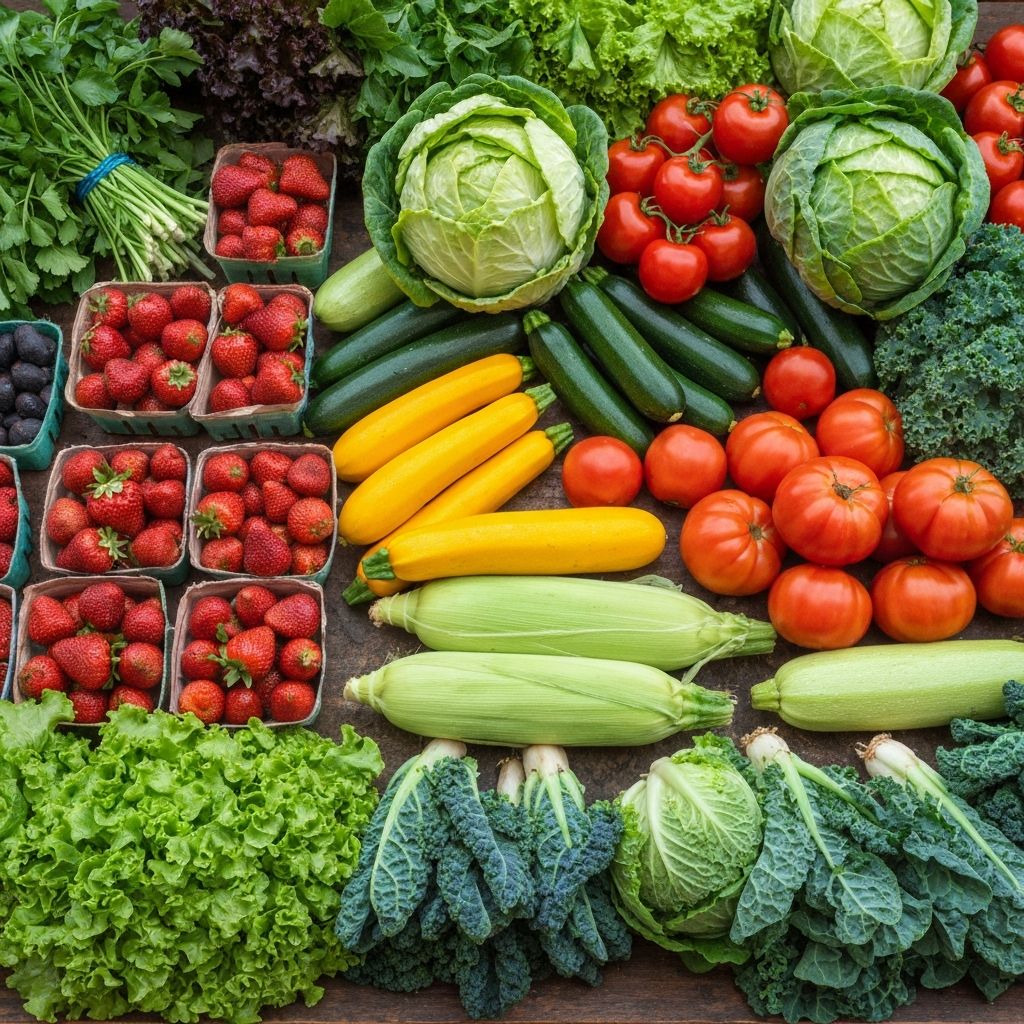
Vegetables: Leafy greens like spinach and kale offer iron, magnesium, and calcium. Colorful vegetables provide diverse antioxidants and vitamins. Cruciferous vegetables such as broccoli and cabbage contain compounds with unique nutritional properties.
Fruits: Berries deliver vitamin C and antioxidants. Citrus fruits provide vitamin C and fiber. Bananas offer potassium and B vitamins.
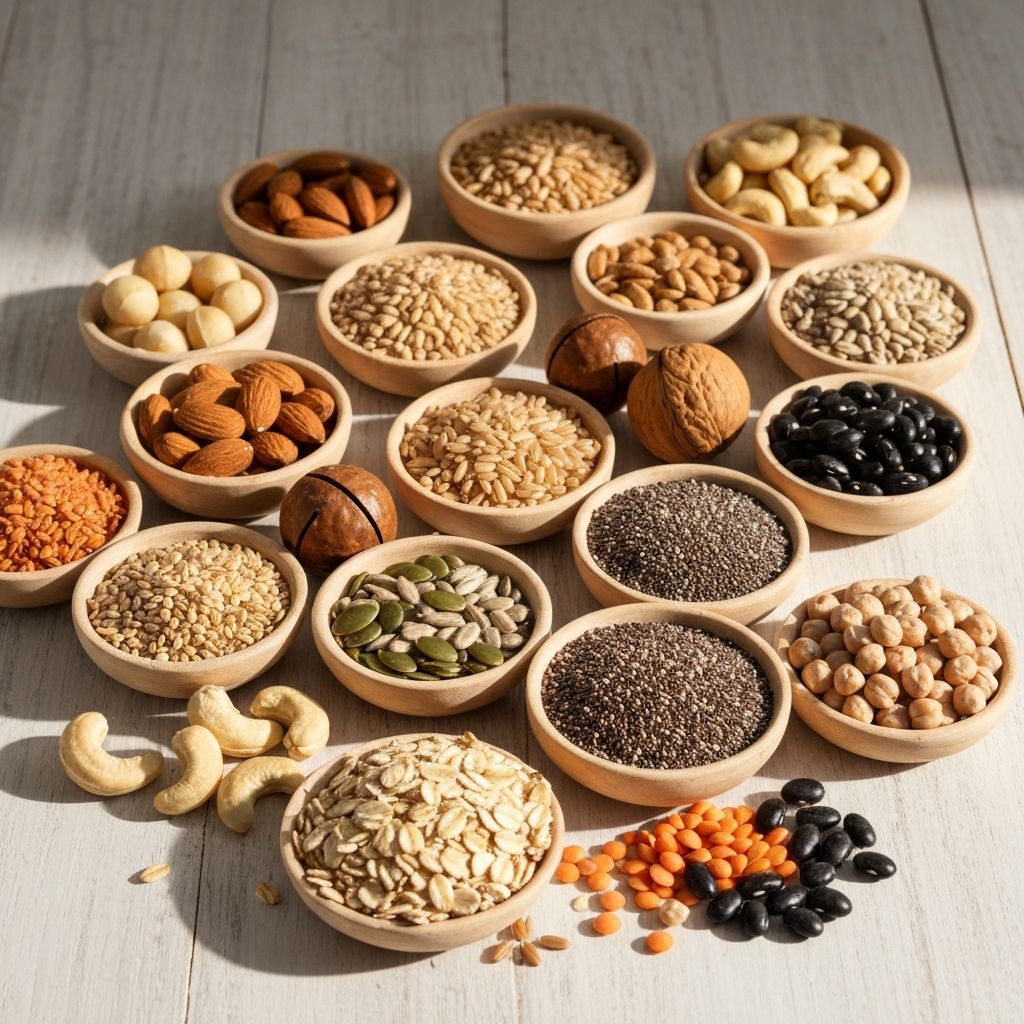
Whole Grains: Brown rice, quinoa, and oats provide complex carbohydrates, fiber, and B vitamins essential for energy production.
Legumes: Beans, lentils, and peas are excellent plant-based protein sources rich in fiber and minerals.
Proteins: Fish, lean meats, and eggs provide complete proteins. Nuts and seeds offer protein along with healthy fats.

Understanding Dietary Patterns
Historical and Contemporary Approaches
Throughout history, different cultures have developed distinct dietary patterns based on geography, climate, and available resources. Understanding these patterns provides context for nutritional science.
Mediterranean Patterns
Characterized by abundant vegetables, fruits, whole grains, legumes, and olive oil, with moderate fish consumption. This approach emphasizes plant-based foods while incorporating moderate amounts of quality proteins.
Plant-Forward Approaches
Various cultures emphasize plant-based foods as primary nutritional sources. These approaches often combine grains, legumes, vegetables, and nuts to create complete nutritional profiles. The underlying principle is achieving nutritional balance through diverse plant sources.
Balanced Omnivorous Approaches
Many dietary frameworks combine plant and animal sources in various proportions. The specific combination depends on cultural context, personal preferences, and individual factors. The common thread is emphasizing whole foods over processed alternatives.
The Role of Hydration
Water comprises approximately 60% of adult body weight and participates in virtually every physiological process. Adequate hydration supports nutrient transport, temperature regulation, joint lubrication, and cellular function.
Functions of Water in the Body
- Transports nutrients and oxygen to cells
- Aids in digestion and absorption of nutrients
- Regulates body temperature through perspiration
- Cushions joints and protects organs
- Supports cognitive function and concentration
- Facilitates waste elimination through kidney function
Indicators of Adequate Hydration
Individual hydration needs vary based on activity level, climate, and metabolism. General indicators of adequate hydration include light urine color and consistent energy levels. Thirst is an important signal that the body requires more fluid.
Navigating Nutritional Information

Critical Evaluation of Information
In the modern information landscape, distinguishing credible nutritional information from misinformation is increasingly important. Scientific understanding evolves as research progresses, and critical thinking skills help navigate this complexity.
Evaluating Sources
- Prioritize peer-reviewed scientific research
- Check author credentials and institutional affiliations
- Be aware of potential commercial interests
- Look for citations and reference to primary research
- Consider whether claims align with established nutritional science
- Recognize that individual studies are components of broader research bodies
Understanding these principles enables informed engagement with nutritional information and recognition of scientific consensus.
Historical Perspectives on Diet
Ancient Civilizations
Early human diets were determined by geographic availability and seasonal variation. Agricultural development around 10,000 years ago transformed food availability and dietary patterns.
Medieval and Renaissance Periods
Social class heavily influenced diet composition. Agricultural patterns, food preservation techniques, and trade routes shaped what people consumed across different regions.
Industrial Revolution
Mechanization of agriculture increased food production and availability. Food processing and transportation transformed how humans accessed and consumed foods across geographical boundaries.
Modern Scientific Era
Nutritional science emerged as a formal discipline in the 19th and 20th centuries, leading to systematic understanding of nutrient requirements and food composition. This knowledge continues evolving with contemporary research.
Educational Content Only
All information presented on this website is for informational and educational purposes only. This content provides general explanations of nutritional concepts and does not constitute personalized medical advice, dietary recommendations, or professional consultation.
The diversity of individual circumstances—age, health status, activity level, and personal preferences—means that dietary approaches vary significantly. No promises of health outcomes, specific results, or transformations are made or implied.
For specific concerns about nutrition or health, consultation with qualified healthcare professionals is recommended.
Further Your Understanding
Explore additional topics and resources to deepen your knowledge about nutrition and well-being.